
Preventive Plumbing Decisions That Can Save Homeowners From Major Disruptions

5 Views
Plumbing systems work quietly in the background of a home, making it easy to overlook them until something goes wrong. A leaking pipe, blocked drain, damaged water heater, or overflowing fixture can quickly interfere with normal routines and potentially cause expensive property damage. Preventive decisions give homeowners an opportunity to identify weaknesses early and reduce the likelihood of unexpected plumbing emergencies.
Good prevention does not necessarily involve major renovations or complicated upgrades. The dependability of a plumbing system can be significantly impacted by timely maintenance, regular observations, and smart home practices.
Pay Attention To Small Changes
Many serious plumbing problems begin with relatively minor symptoms. A faucet that starts dripping, a toilet that runs longer than usual, or a drain that empties more slowly may seem insignificant. However, these changes can sometimes indicate worn components, developing blockages, or other problems.
Homeowners should also notice changes in water pressure, unusual sounds from pipes, unexplained moisture, and stains on walls or ceilings. Investigating these warning signs early can prevent a small repair from becoming a larger disruption.
Schedule Preventive Plumbing Inspections
Issues that are hard to spot during routine household tasks can be found with the assistance of professional inspections. Pipes may develop corrosion, connections can weaken, and hidden leaks can remain unnoticed behind walls or beneath flooring.
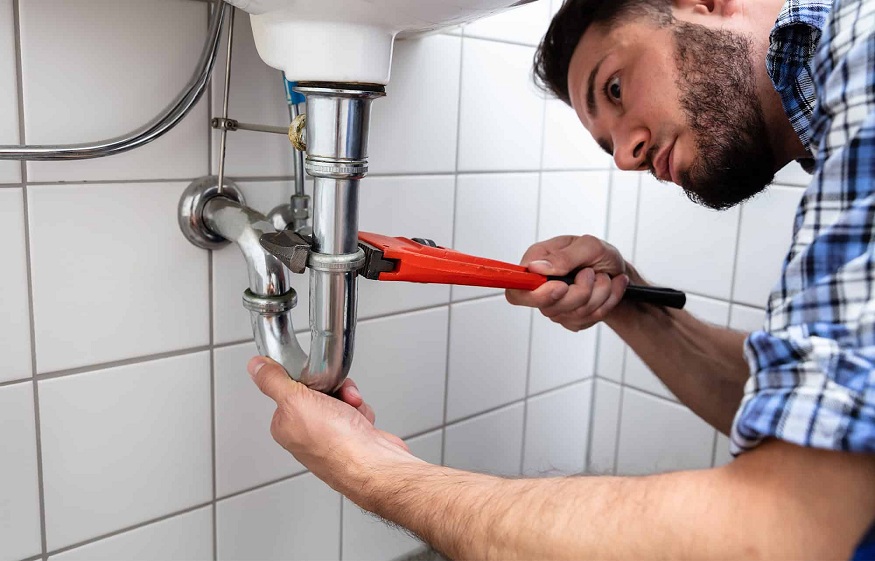
Working with a plumber Houston TX homeowners can consult for routine inspections may help reveal vulnerable plumbing components before they fail unexpectedly. Professional evaluation can be particularly valuable for older properties where pipes, fixtures, and other components may have experienced years of normal wear.
Preventive inspections can also provide homeowners with a clearer understanding of which repairs require immediate attention and which improvements can be planned for the future.
Protect Household Drains
Drain problems are among the most common plumbing disruptions, but careful household habits can reduce unnecessary blockages. Kitchen sinks should not be treated as disposal points for cooking grease, oils, food scraps, and other materials that can accumulate inside pipes.
Bathroom drains can also benefit from simple preventive measures. Hair, soap residue, and personal care products may gradually restrict water flow. Drain covers and regular cleaning can help prevent excessive buildup.
Read More: Choosing the Right Solar Generator for Home and Portable Use
Chemical drain products should also be used cautiously. Repeated reliance on aggressive products may not address the underlying cause of recurring drainage problems.
Know Where The Main Water Shutoff Is Located
One simple decision can make an enormous difference during a plumbing emergency: knowing how to stop the home’s water supply.
Homeowners should locate the main shutoff valve before an emergency occurs and make sure responsible household members know where it is. If a pipe suddenly bursts or a fixture starts to leak heavily, turning off the water quickly can cut down on the amount of water that gets into the building.
The valve should remain accessible rather than being hidden behind stored belongings or difficult to reach during an urgent situation.
Monitor Water Pressure
Excessively high water pressure can place unnecessary strain on pipes, faucets, valves, appliances, and plumbing connections. While strong pressure may initially seem convenient, prolonged stress can contribute to premature component wear.
Noticeable fluctuations in pressure also deserve attention. If several fixtures suddenly experience weaker or inconsistent water flow, the change may indicate a plumbing issue requiring investigation.
Maintain The Water Heater
Water heaters are another important part of preventive plumbing planning. Homeowners depend on them for bathing, cleaning, cooking, and numerous everyday activities. A sudden failure can therefore create considerable inconvenience.
Read More: Don’t believe these myths about concrete fencing in Boise
Periodic professional maintenance can help evaluate the condition of the unit and identify signs of deterioration. Homeowners should also watch for unusual noises, rusty water, inconsistent temperatures, or moisture near the heater.
Replace Aging Components Strategically
Waiting for every plumbing component to fail before replacing it can increase the likelihood of unexpected emergencies. Older supply lines, valves, fixtures, and appliances should be monitored carefully.
Strategic replacement allows homeowners to plan improvements according to their priorities and budgets instead of making rushed decisions during an emergency.
Prevention Creates A More Reliable Home
A dependable plumbing system requires more than reacting to visible problems. Paying attention to early warning signs, protecting drains, maintaining equipment, monitoring water pressure, and arranging periodic inspections can reduce avoidable disruptions.
Preventive plumbing decisions give homeowners greater control over maintenance and repair planning. By addressing developing issues before they escalate, households can protect their property, reduce inconvenience, and keep essential plumbing systems functioning reliably.