
Designing Dubai Homes for the Winter Season: A Practical Interior Guide

143 Views
Winter in Dubai is gentle, social, and outdoorsy. The intense summer heat fades. Windows open more often. Evenings stretch longer. Homes begin to feel different, and interior spaces need to respond to this seasonal shift. Designing for winter in Dubai is not about heavy layers or dark rooms. It is about balance, comfort, and flexibility.
Many homeowners overlook seasonal design because winter is short. Yet this is the period when homes are most lived in. Family gatherings increase. Entertaining becomes frequent. Interior design choices made for winter can dramatically improve how a home feels and functions during these months.
Understanding Dubai’s Winter Lifestyle Indoors
Dubai’s winter brings mild temperatures and lower humidity. This encourages a stronger connection between indoor and outdoor spaces. Homes are no longer sealed environments. Balconies, terraces, and patios become extensions of the living area. Interior layouts should allow easy movement between these zones.
Read More: How Water Softeners Extend the Life of Geysers, Washing Machines & Pipes
Designing with this lifestyle in mind means prioritising flow. Furniture placement becomes more important. Walkways should feel open. Seating should encourage conversation rather than screen-focused layouts. Winter is the social season, and interiors should reflect that change in behaviour.
In the first stages of home interior design Dubai, designers often reassess how rooms are actually used during winter. A formal dining space may become a daily gathering spot. A quiet reading corner might see more use in the evenings. Recognising these patterns helps guide smarter design decisions.
Softening Spaces Without Overheating Them
Winter comfort in Dubai is about subtle warmth, not insulation. Heavy fabrics and thick layers can quickly make a space feel stuffy. Instead, softness should come from texture rather than weight. Think woven cushions, light throws, and layered rugs that add comfort without trapping heat.
Colour also plays a role. Warm neutrals work better than dark tones. Sand, taupe, soft terracotta, and muted browns echo the outdoor environment. These shades add warmth while still feeling airy and appropriate for Dubai’s climate.
Materials should remain breathable. Cotton, linen blends, and light wool are ideal. They adapt well to temperature changes throughout the day. This allows spaces to feel cosy in the evening and fresh during sunny afternoons.
Rethinking Living Rooms for Winter Evenings
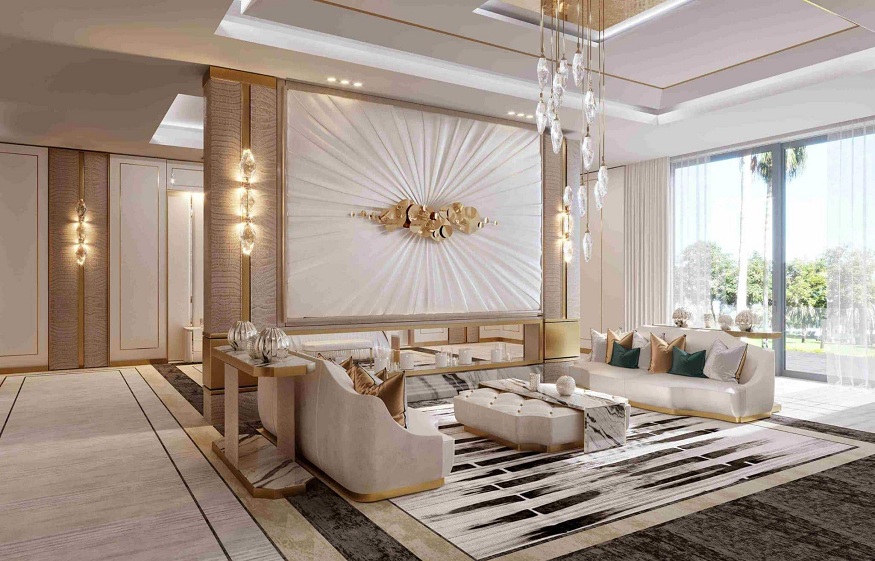
Living rooms take centre stage during winter. This is where families gather after sunset and guests spend long evenings. Seating arrangements should support longer stays. Sofas with deeper seats and supportive cushions improve comfort without altering the room’s overall look.
Lighting is crucial during winter evenings. Layered lighting works best. Overhead lights alone can feel harsh once natural light fades earlier. Table lamps, floor lamps, and wall lighting help create a softer atmosphere that encourages relaxation.
Curtains also matter more in winter. Sheer layers allow daylight in while offering privacy in the evenings. When paired with slightly heavier drapes, they give flexibility without overwhelming the space.
Bedrooms That Feel Cosy Yet Light
Bedrooms should reflect the calmer pace of winter without losing their sense of freshness. Heavy bedding is rarely needed in Dubai. Instead, layering is the key. A breathable duvet paired with textured covers offers comfort without excess warmth.
Headboards can play a subtle role in winter design. Upholstered or wooden headboards add visual warmth. They also make the room feel more grounded during cooler nights. Wall colours should remain light, but warmer undertones work better than cool greys.
Lighting should be softer and more directional. Bedside lamps with warm bulbs help signal the transition from day to night. This supports better sleep during a season when routines often change.
Dining Areas for Seasonal Entertaining
Winter brings people together, and dining areas become more active. Tables should feel welcoming rather than formal. Simple centrepieces using natural materials work well. Ceramic bowls, wooden trays, or subtle greenery create interest without clutter.
Seating comfort becomes more important when meals last longer. Chairs with cushions or upholstered seats are more practical during winter gatherings. This small change can transform how the space is used.
Lighting above dining tables should be adjustable. Dimmable fixtures allow flexibility for casual lunches and long evening dinners. Warm light enhances food presentation and creates a relaxed mood.
Making Better Use of Balconies and Terraces
Outdoor spaces come alive during winter in Dubai. Balconies and terraces should be treated as functional rooms rather than afterthoughts. Comfortable seating, outdoor rugs, and subtle lighting can turn these areas into evening retreats.
Furniture choices should reflect indoor comfort while remaining weather-resistant. Cushioned seating with removable covers works well. Low tables encourage casual use, from morning coffee to late-night conversations.
Connecting these spaces visually to interiors is important. Using similar colours or materials indoors and outdoors helps create continuity. This makes the home feel larger and more cohesive during winter months.
Flooring Choices That Add Seasonal Comfort
Cold floors are rarely an issue in Dubai, but winter is still a good time to add softness underfoot. Area rugs define spaces and make rooms feel more intimate. They are especially useful in open-plan layouts.
Natural fibres such as wool blends or jute add texture without overwhelming the room. Rugs should be sized generously to anchor furniture properly. Too-small rugs can make spaces feel fragmented.
In bedrooms, bedside rugs improve comfort during early mornings. In living areas, layered rugs can add depth and visual interest without permanent changes.
Kitchens Designed for Winter Use
Kitchens often see more activity during winter. Cooking becomes more enjoyable without the intense heat of summer. This makes functionality and flow more important during this season.
Clear worktops and efficient storage help kitchens feel calmer. Winter meals often involve more preparation, so easy access to utensils and ingredients matters. Lighting should be bright but warm, especially in food preparation areas.
Seating in kitchens, such as breakfast stools or small dining nooks, becomes more popular in winter. These spaces encourage informal gatherings and make the kitchen feel more social.
Seasonal Accessories That Make a Difference
Accessories are the easiest way to adapt interiors for winter. Cushions, throws, artwork, and decorative objects can all reflect the season without permanent changes. The key is restraint.
Natural elements work well. Wooden accents, ceramic pieces, and subtle metallics add warmth. Avoid overcrowding surfaces. Winter design should feel inviting, not heavy.
Artwork with warmer tones or softer imagery can subtly shift the mood of a space. Even small changes can make rooms feel more aligned with the season.
Creating a Calm Atmosphere Through Scent and Sound
Winter interiors are not just about visuals. Scent plays a strong role in how a home feels. Light, warm fragrances such as amber, sandalwood, or soft florals suit the season without being overpowering.
Sound also matters. Soft furnishings help absorb noise, making homes feel quieter and more peaceful. This is especially useful during social gatherings when multiple conversations happen at once.
These sensory details often get overlooked, but they significantly impact how comfortable a space feels during winter.
Designing With Flexibility in Mind
Dubai’s winter is short, so flexibility is essential. Design choices should adapt easily when temperatures rise again. Removable covers, lightweight furnishings, and modular layouts allow for smooth seasonal transitions.
ReaStorage becomes important here. Having space to store winter accessories ensures they do not clutter the home year-round. Smart storage keeps interiors organised and adaptable.
Read More: Happy Clean Dublin Gives 6 Valuable Tips For Tile Grout Cleaning
A flexible approach ensures that winter design enhancements feel intentional rather than temporary or wasteful.
Conclusion
Designing Dubai homes for winter is about enhancing how spaces are used during the most social time of the year. It is not about dramatic changes or heavy layers. It is about comfort, flow, and thoughtful details.
By focusing on texture, lighting, layout, and flexibility, interiors can support winter living without compromising year-round functionality. When done well, seasonal design makes homes feel more welcoming, more usable, and more aligned with how people truly live during Dubai’s winter months.